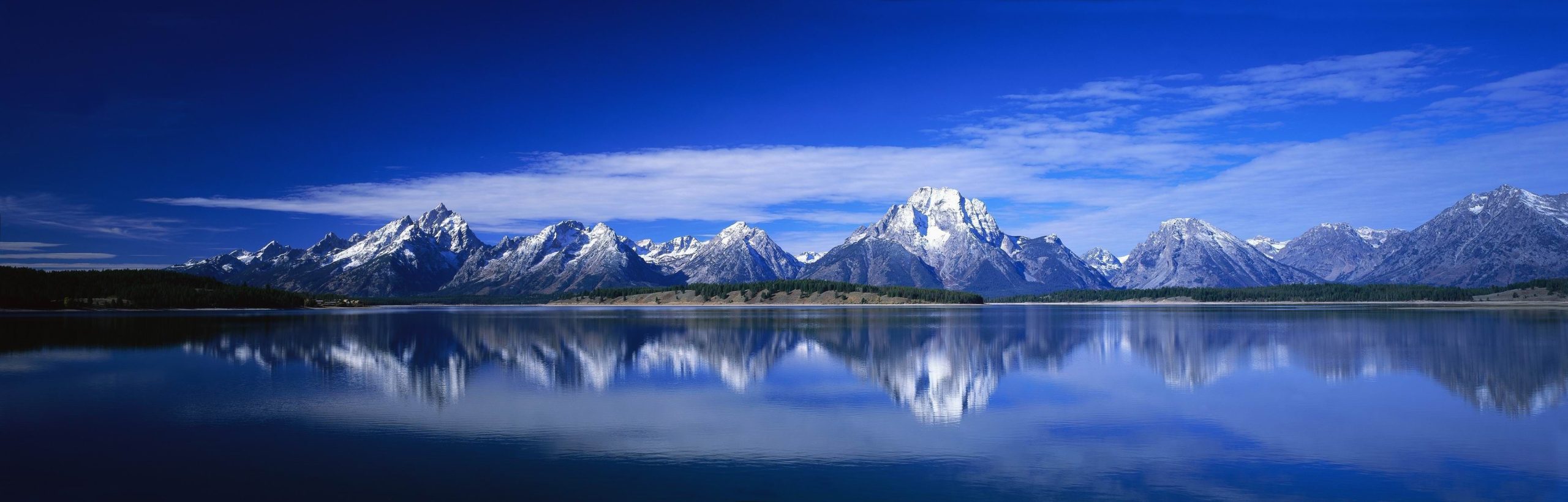

Pyrsinella Park
Gianniotiko Saloni: the park of the city of Ioannina
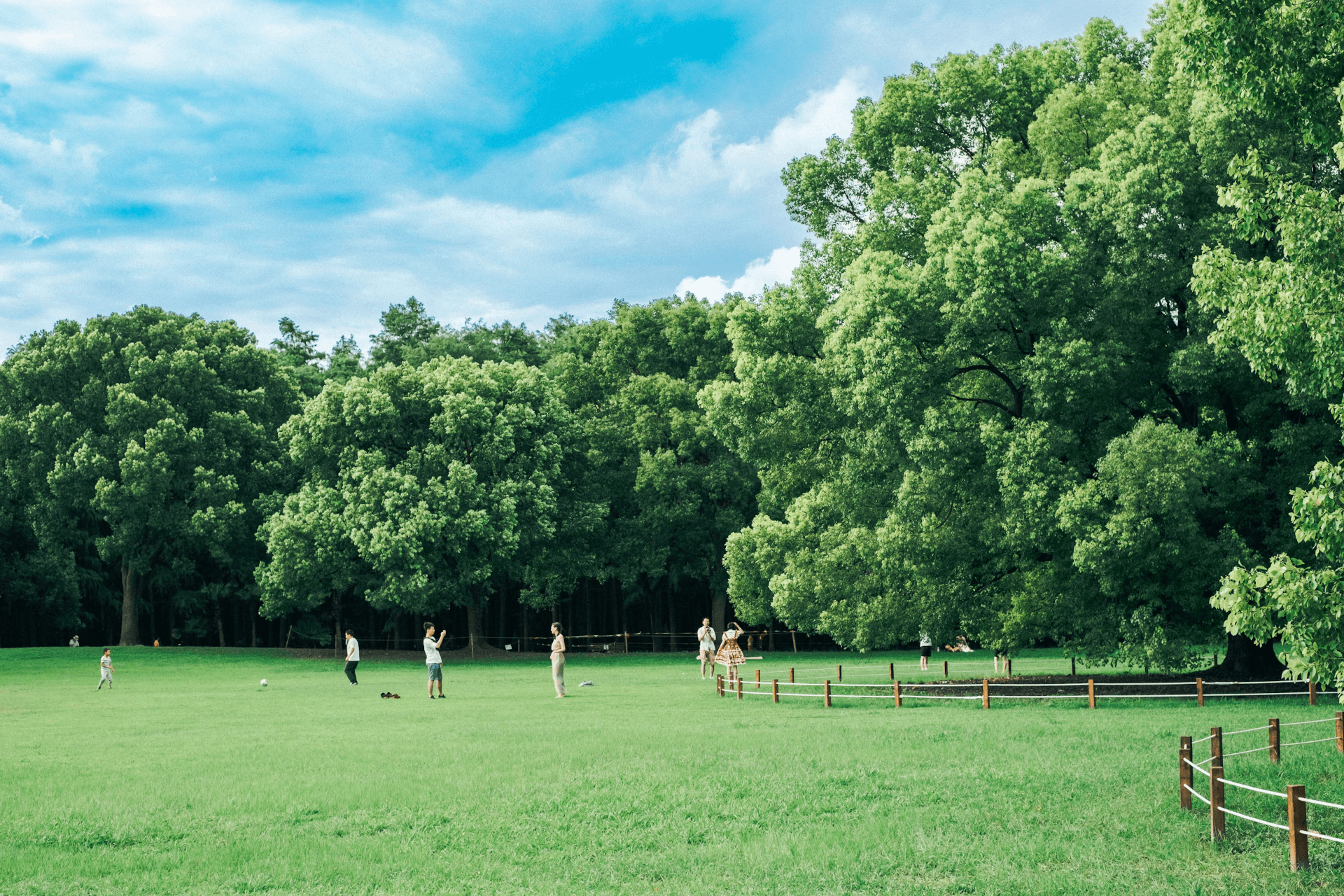
Gianniotiko Saloni: the park of the city of Ioannina
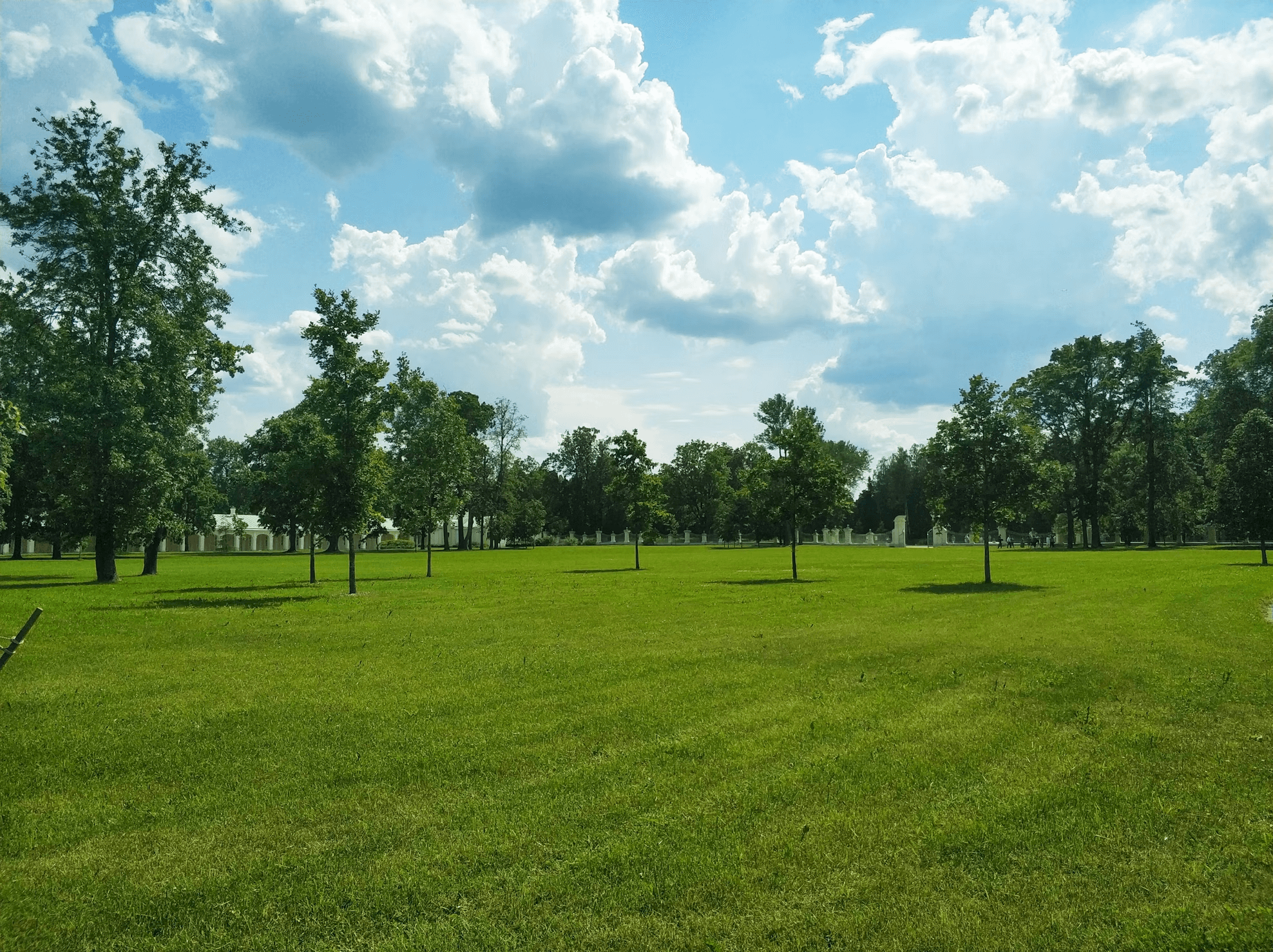
Pyrsinella Park, also known as Gianniotiko Saloni, has a history spanning almost 60 years.
Its story begins in the mid-19th century, when the area was known as Top Alti, a name used to describe land within the firing range of a nearby fortress. At the time, it consisted mainly of farmland and was under the control of Bebris Bey.
In 1872, Bebris Bey is said to have transferred the cultivation rights of the land to Amalia Dalesi, later known as Amalia Vergoti, through an official Ottoman land registry document known as a “tapi”. The area, covering around 350 stremmas, was passed down through generations of the Vergotis family, before eventually coming into the possession of Vasileios Pyrsinellas, a former mayor of the city in the 1920s, who had married Maria Vergoti.
In 1959, Pyrsinellas passed away and bequeathed his property to the Municipality of Ioannina. Of the original 350 stremmas, 280 remained under municipal ownership. Fifty stremmas were expropriated for the construction of military facilities at the Velissariou camp, while another 20 were used for the opening of the Ioannina Arta national road. The road effectively divided the land into two parts, 200 stremmas on one side, which became Pyrsinella Park, and 80 on the other, where a small woodland area is located.
From the early 1960s, the Municipality laid the foundations for the development of the park as part of a broader tourism plan. The area was defined and fenced, and extensive tree planting took place, with thousands of saplings added. With the support of the Prefectural Fund of the time, construction also began on a tourist pavilion, which would later become known as Gianniotiko Saloni. It is worth noting that during this period the area was still referred to as Top Alti.
Additional work included the construction of an access road from the entrance to the pavilion, the creation of a parking area and the installation of lighting. The tourist pavilion eventually began operating in 1970.
During the 1980s, significant improvements were carried out, including the creation of artificial lakes, the opening of internal exercise routes, the construction of a small church dedicated to Saint Panteleimon and the landscaping of flower beds. In the early 1990s, tennis courts were also added.