
Botanical gardens
The Region of Epirus is located in the northwestern part of Greece and covers 7% of the country’s total area. The largest part of the region is occupied by the Prefecture of Ioannina (over 50%), followed by the Prefectures of Arta, Thesprotia and Preveza.
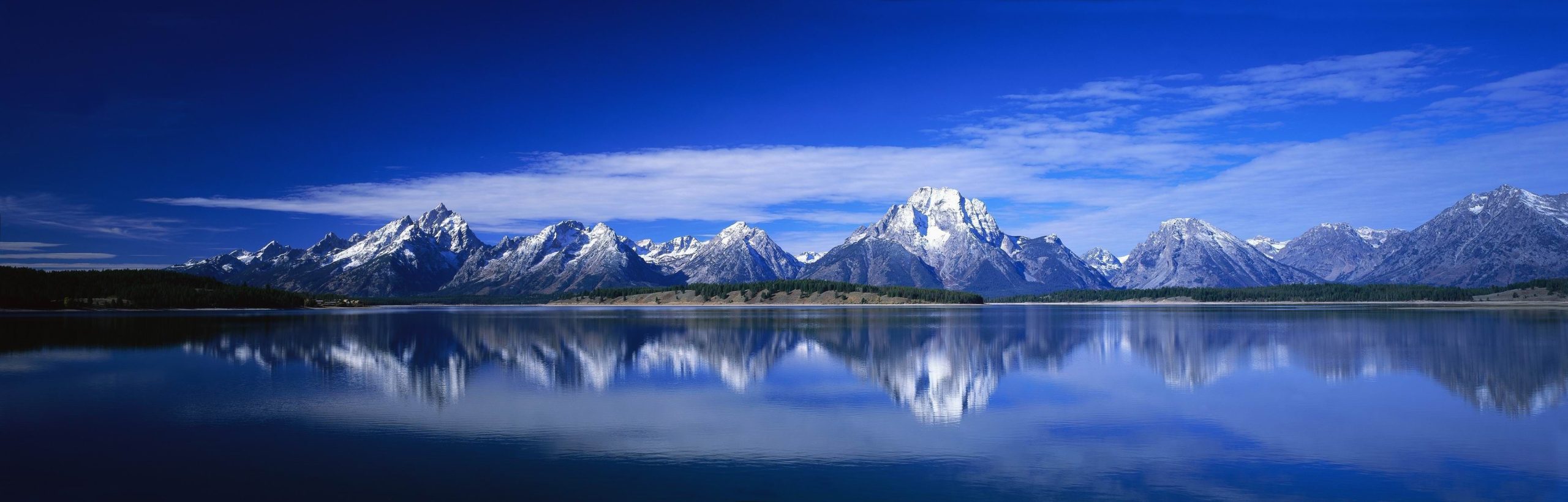
A key feature of the region’s soil morphology is its intensely mountainous terrain and abundance of inland waters. Specifically, 74.2% of the total area is covered by mountainous land, 15.2% by semi-mountainous areas, and 10.6% by plains. This geomorphology has resulted in the development of areas of exceptional natural beauty, wetlands, and ecosystems, as well as diverse flora and fauna. Among these areas are regions protected as national parks (Vikos–Aoos, Pindus–Valia Kalda), as well as sites under international conventions and protection networks (e.g., Natura 2000 areas).
In particular, in the Prefecture of Ioannina, 88.4% of the land is mountainous, mainly due to the Pindus mountain range and the mountain masses of western Epirus. The elevation of the city of Ioannina reaches 480 meters.
As for the flora of Epirus, a key feature is the natural formations of meadows, with dominant trees including conifers, deciduous, broad-leaved, and wetland species. There are also abundant forests of fir, oak, beech, and chestnut, while riparian forests are dominated by plane trees and willows.
Among the conifers, one encounters black pine, Greek fir, and hybrid fir. In the Prefecture of Ioannina, plant species such as bird’s-foot trefoil (Lotus corniculatus), violet (Viola), Velouchi crocus (Crocus veluchensis), the carnivorous orchid (Dactylorhiza saccifera), and cowslip (Primula veris) are also found.
According to a study conducted for the redevelopment of Pyrsinella Park, a total of 4,611 trees were recorded within an area of 200 stremmata (20 hectares), with the dominant species being black pine. Indicatively, from the 2022 survey, the following were recorded:
According to the phytotechnical study, trees that have dried out, broken, become aged, or diseased by bark beetles will be replaced. Most of the species proposed for planting are native and either evergreen or deciduous broad-leaved trees rather than conifers, as the ultimate goal is to increase the total number of trees.
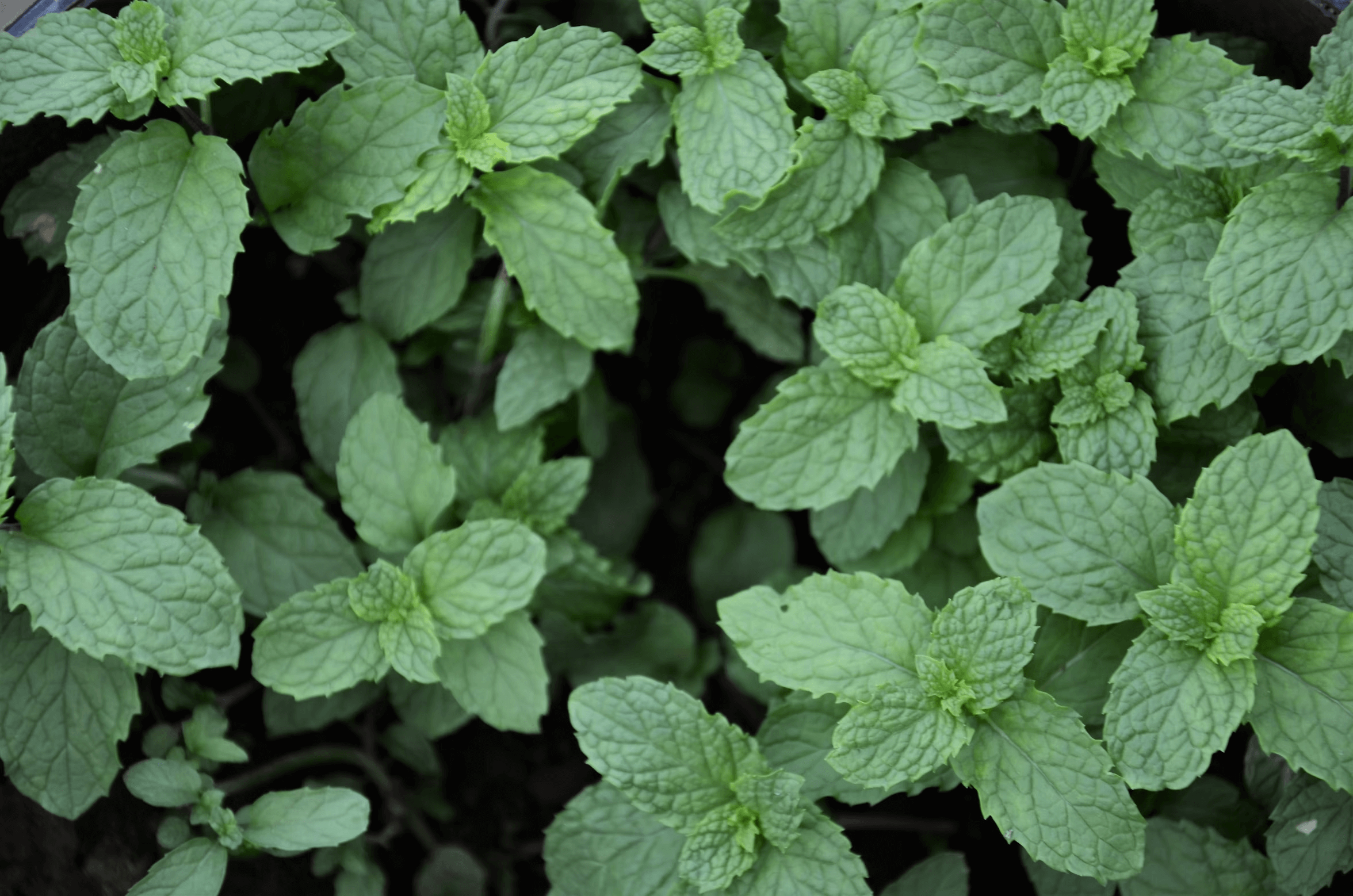
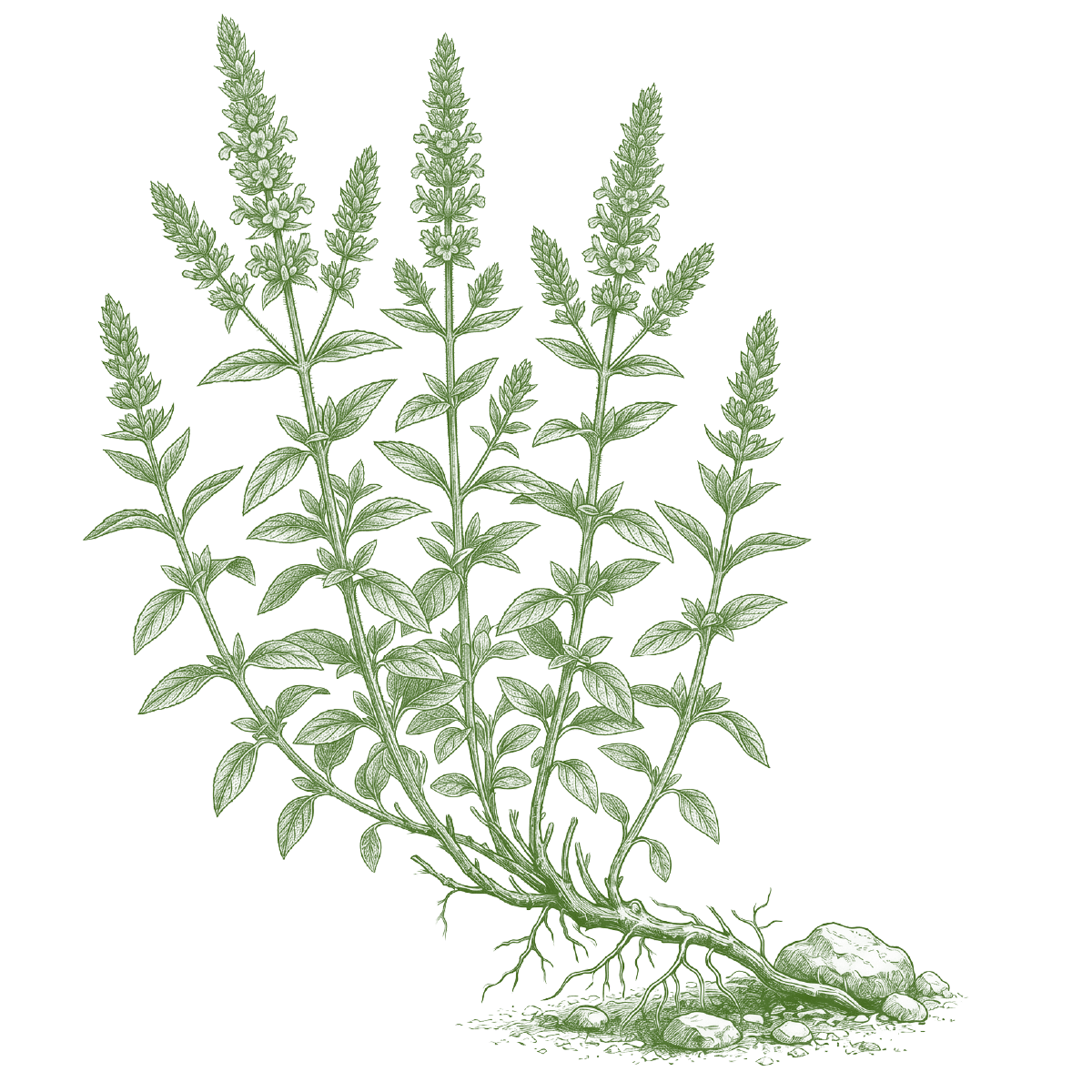
Aromatic and native plants that bring color, fragrance, and a natural balance to the environment.
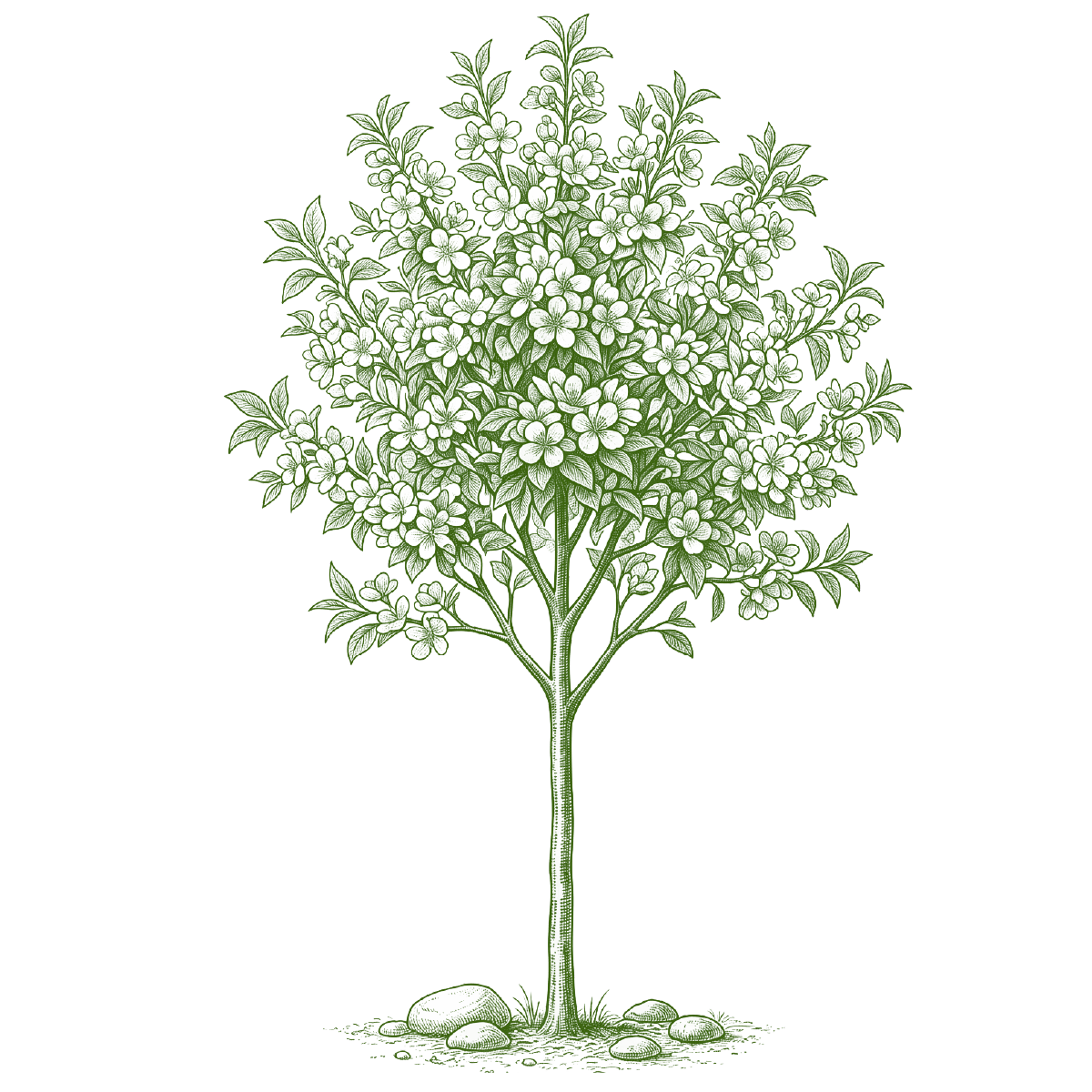
Dense woody vegetation that creates a natural setting of shade, coolness and aesthetic harmony.