Herbs Index
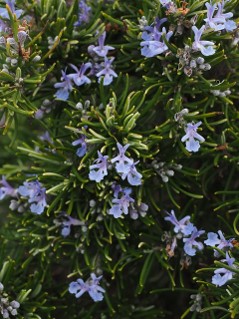
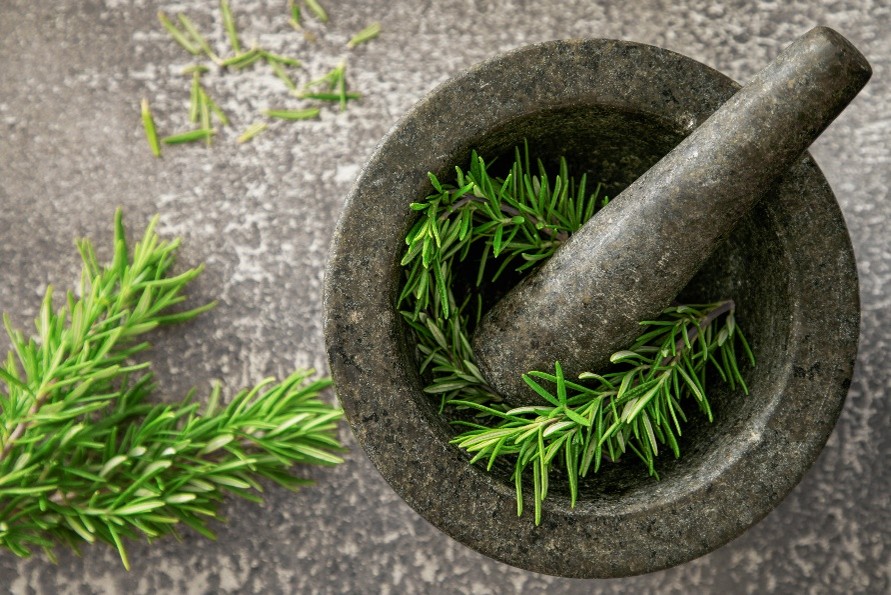
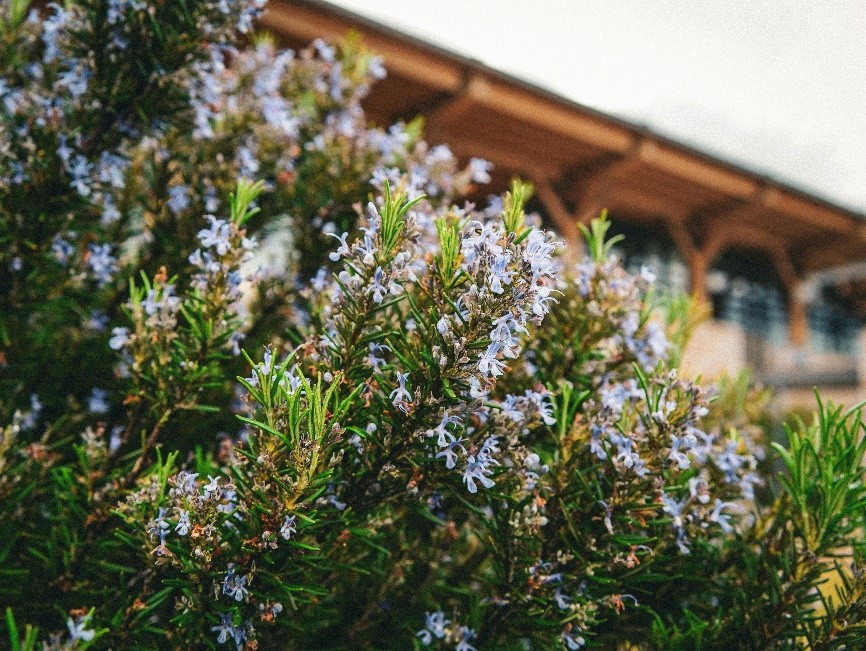
Rosmarinus officinalis ‘Prostratus’, commonly known as creeping rosemary, is a wild plant found on rocky mountains in various Mediterranean countries such as Greece, Spain, southern France, and southern Italy. In Greece, it grows wild in rocky areas of the Peloponnese, Epirus, and some islands.
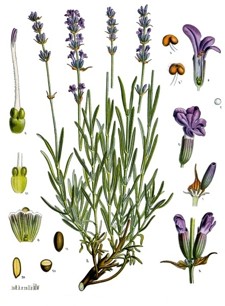
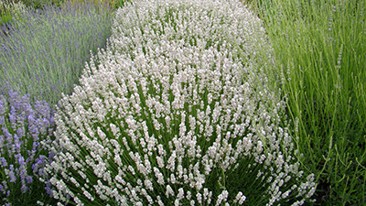
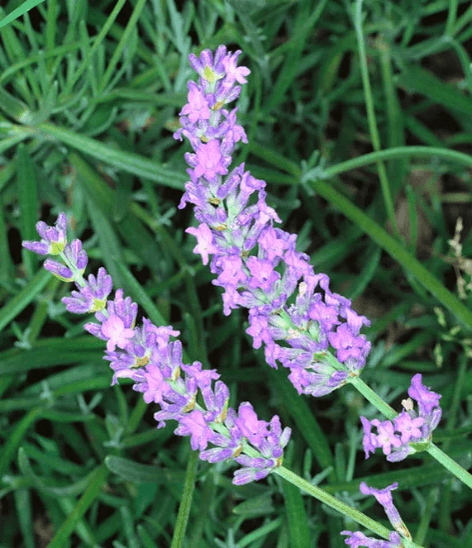
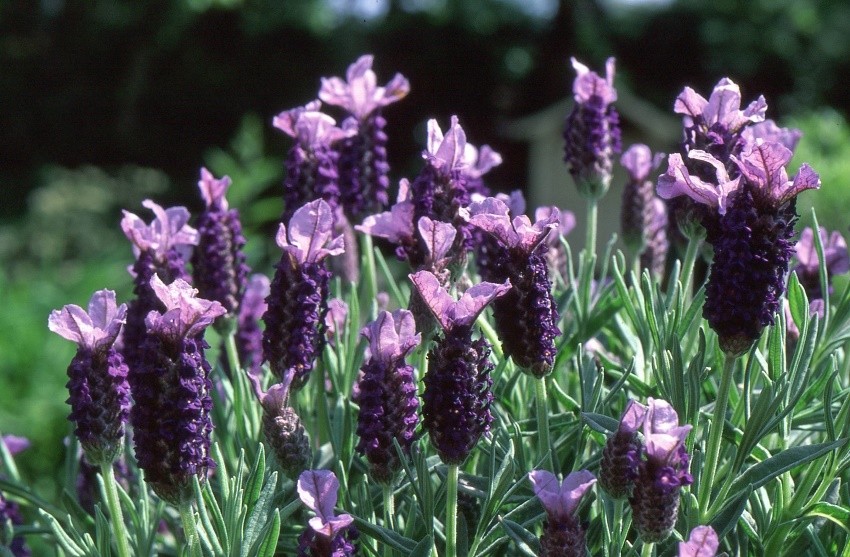
It belongs to the genus Lavandula, whose name comes from the Latin verb lavare, meaning “to wash/clean,” as in Roman times it was used in baths to perfume the water and cleanse the body and spirit. In addition, in Greece, Persia, and Rome in antiquity, it was also used for disinfecting hospitals.
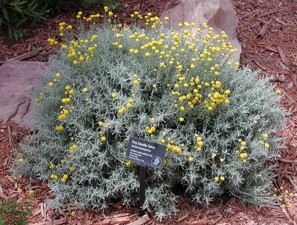
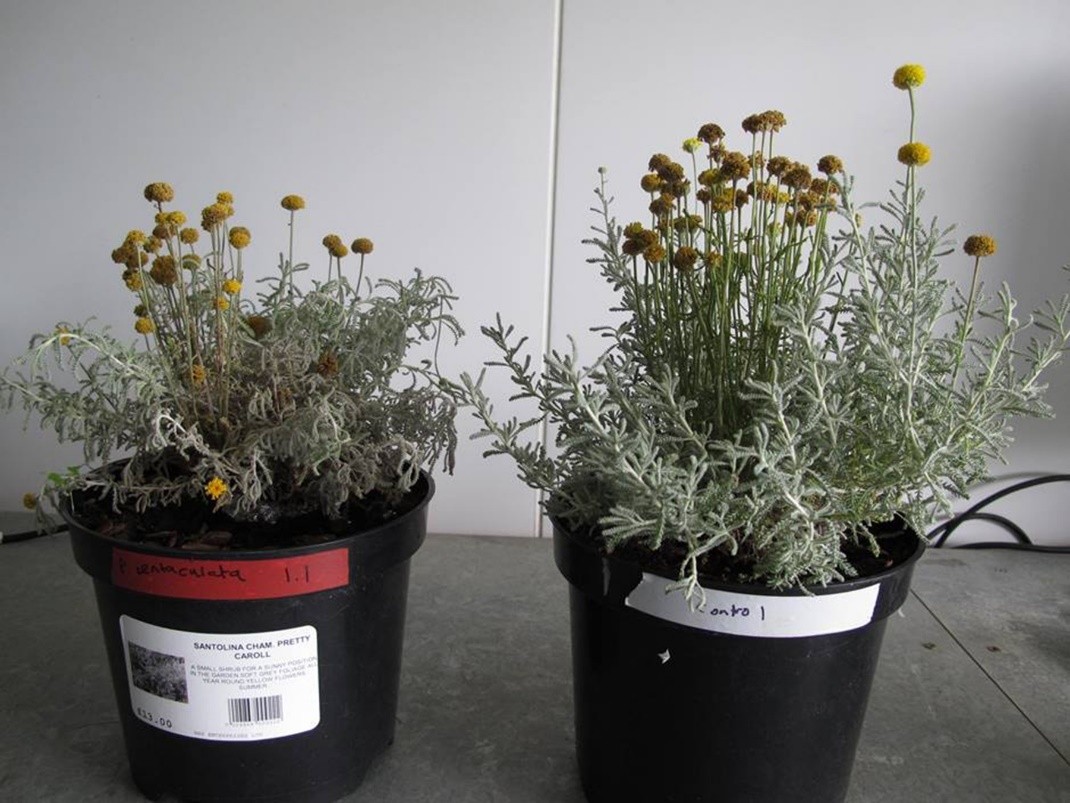
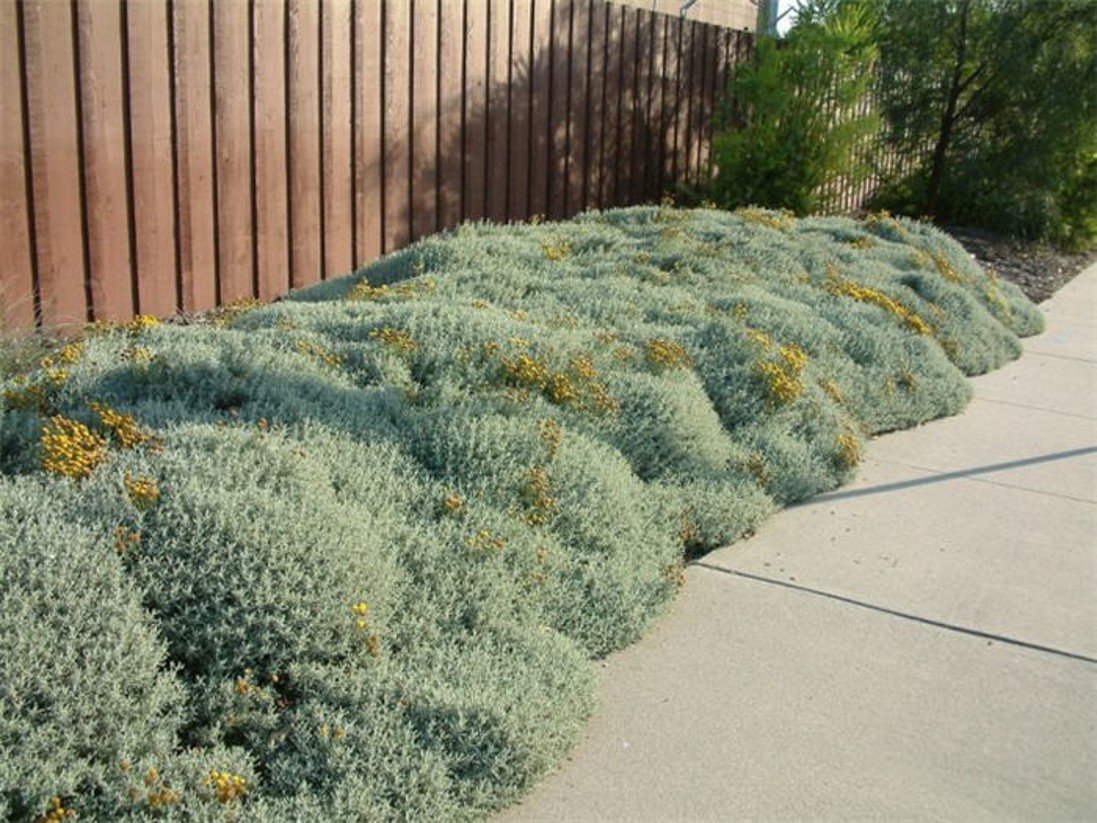
It is a plant native to the peri-Mediterranean regions and spread throughout Europe in the 16th century. Lavender cotton is found as a wild plant on calcareous mountain ranges of Southern Greece, Southern France, Southern Italy, Corsica, Southern Spain, and Algeria.
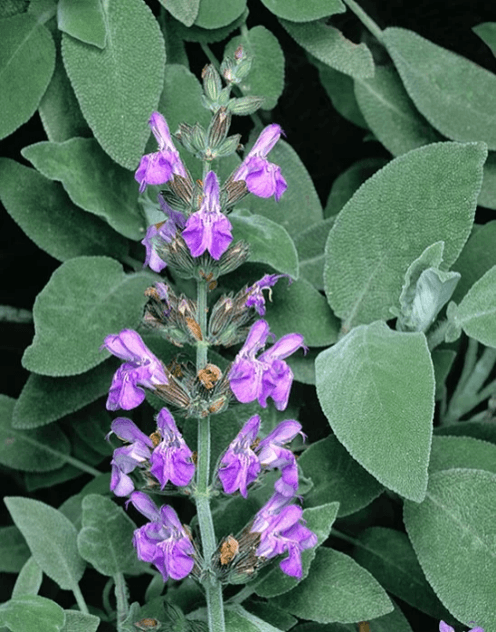
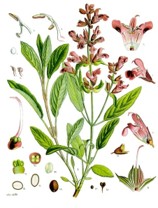
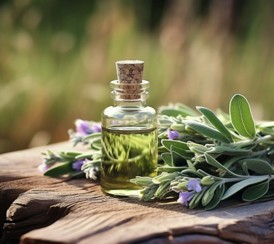
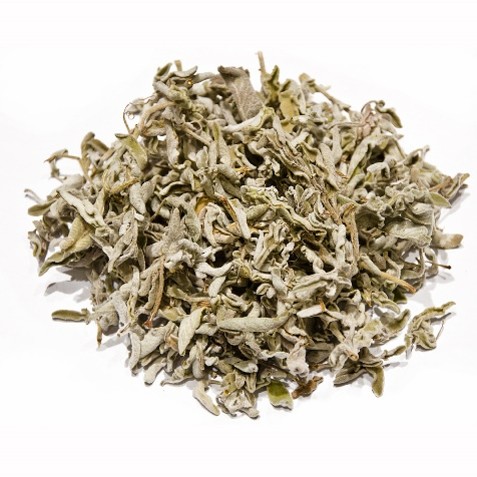
Today, it is also known as salvia officinalis or elelifaskos (Greek common name), while its common English name is sage, garden sage, or common sage. The genus Salvia includes about 900 species, more than 20 of which exist in Greece.
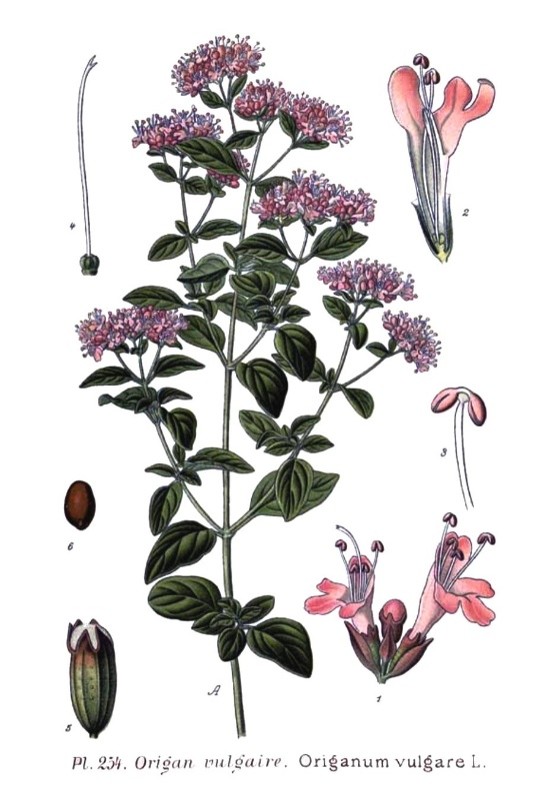
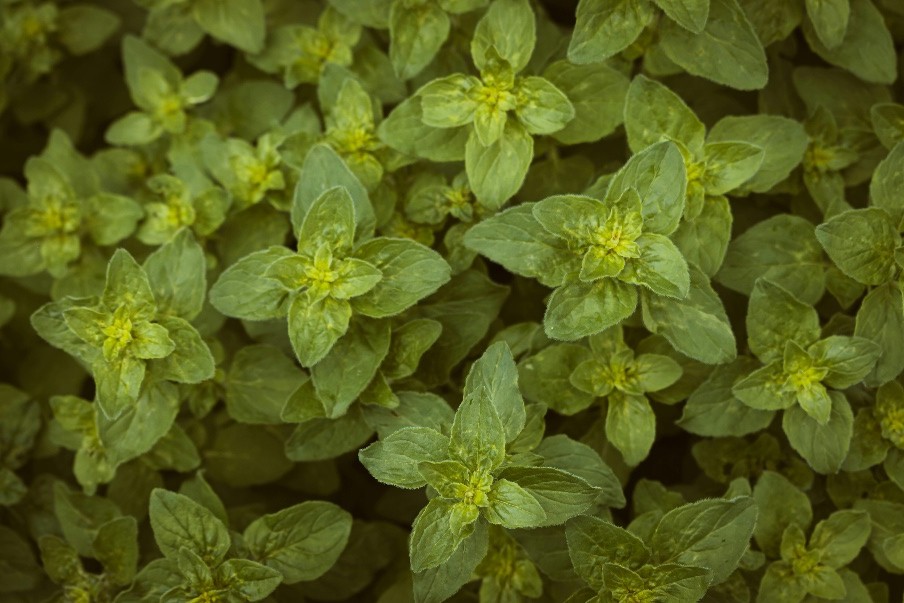
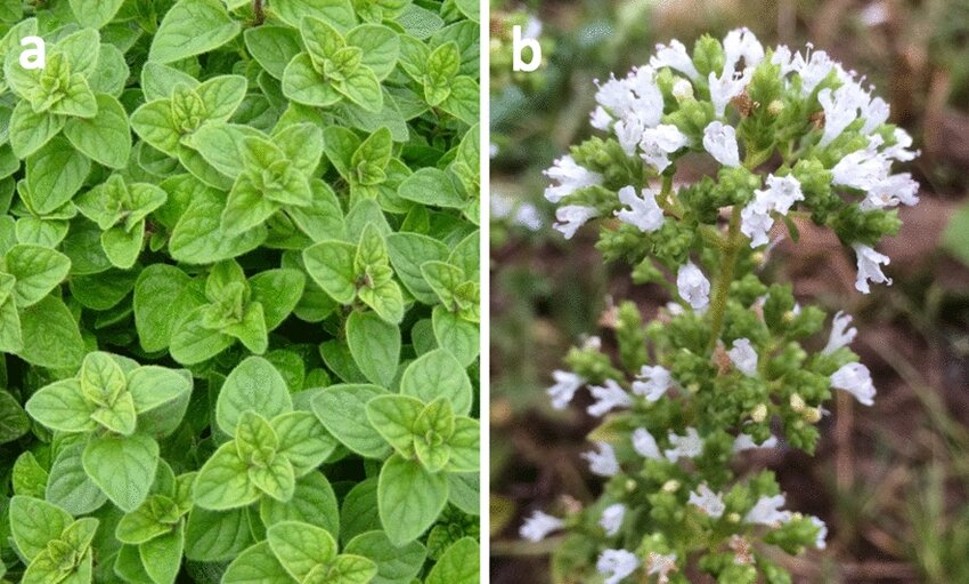
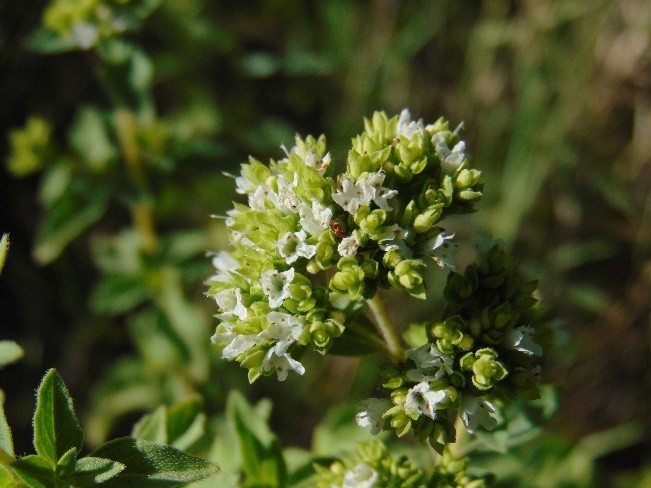
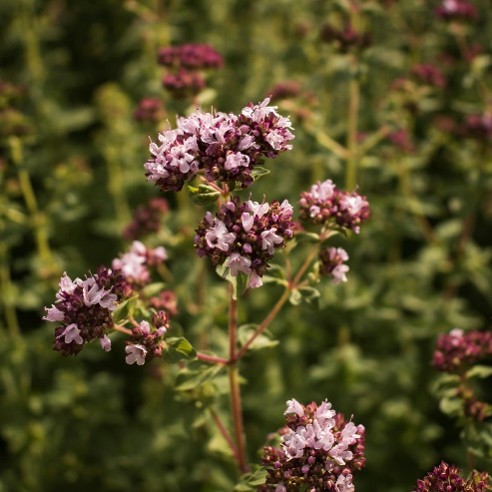
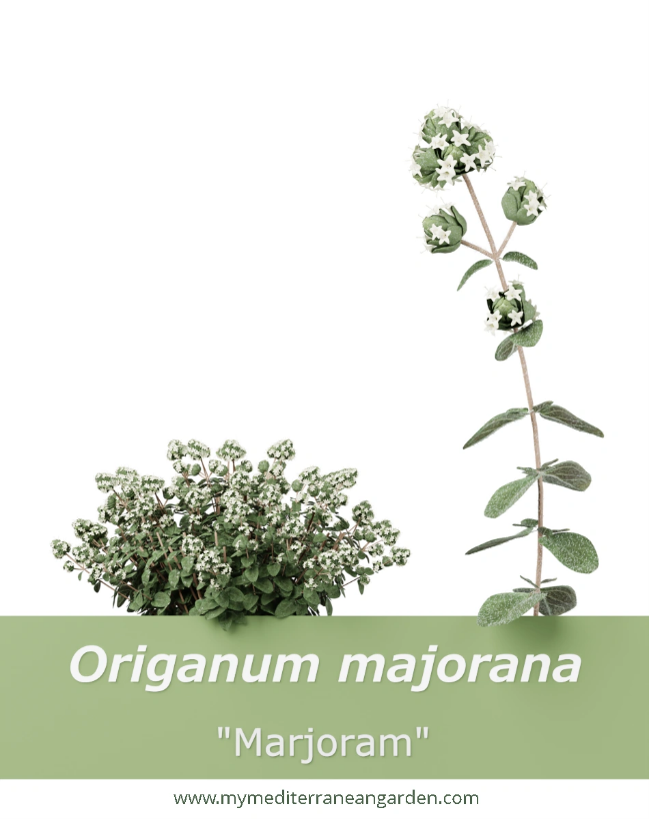
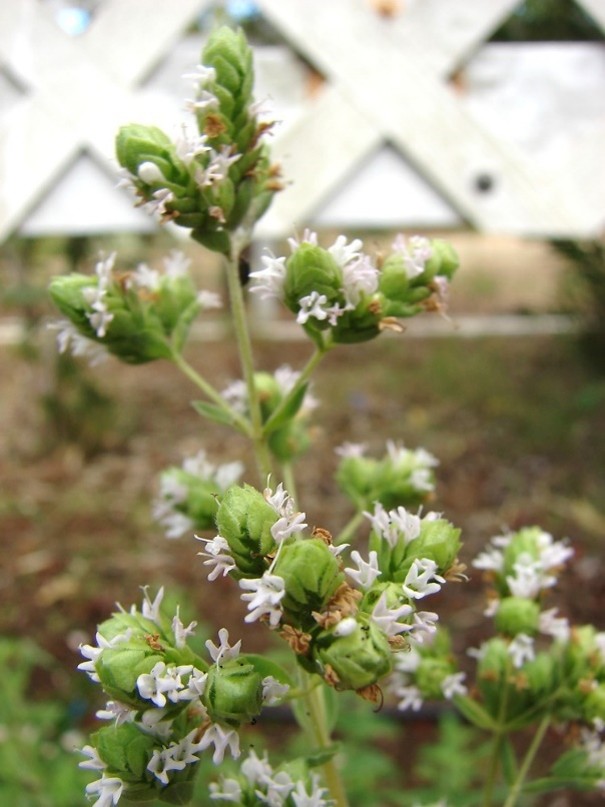
is the oregano we all know, also referred to as agiorigani or wild oregano. Historically, Dioscorides mentions oregano as wild oregano and records its use as an antidote to bites from poisonous animals.
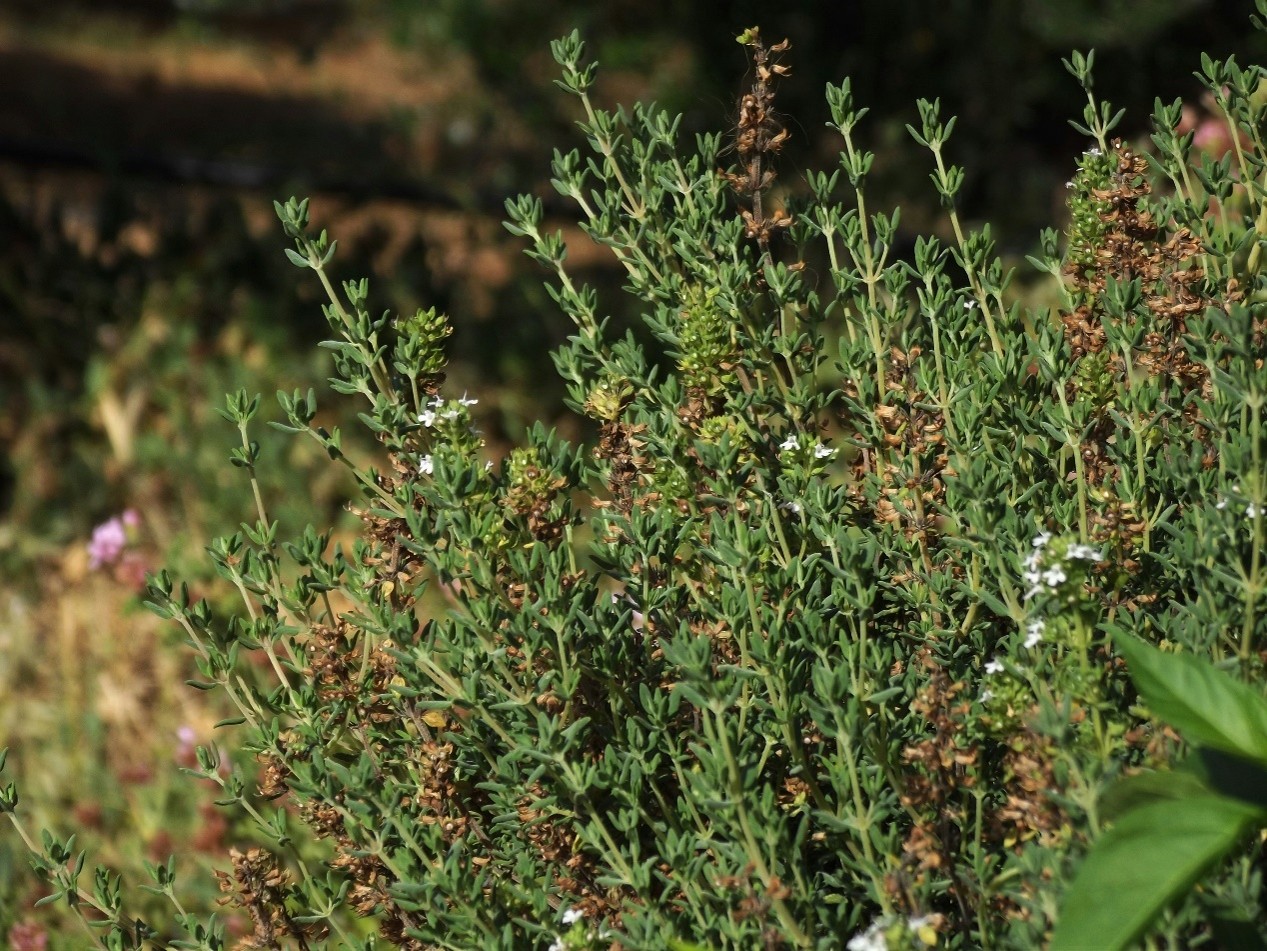
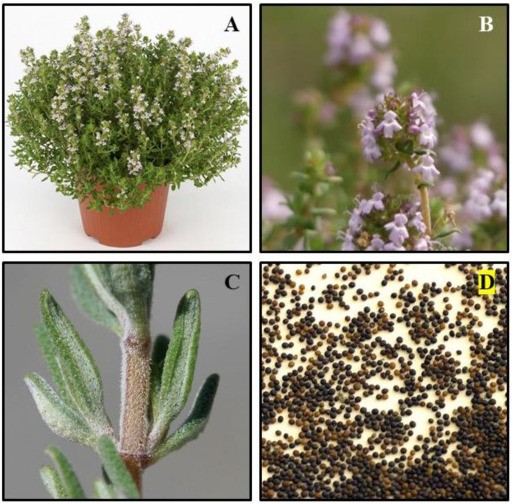
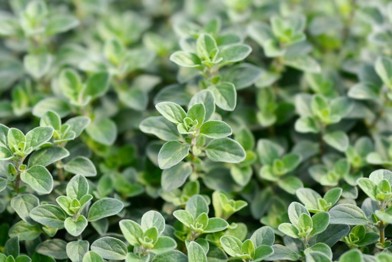
Thymus capitatus Hoff. et Link, also known as Greek thyme, is one of the best-known species and grows wild in several parts of Greece, as does Thymus serpyllum L.
It is believed to have originated in southern Europe, while it is also found in regions of North Africa. In Greece, it grows wild in moist lowland and mountainous forested areas at altitudes up to 800 m in Thrace, Macedonia, and on islands of the Ionian Sea.
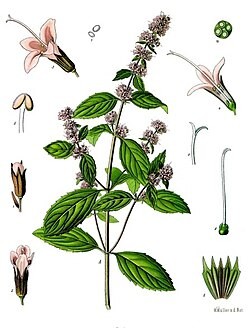
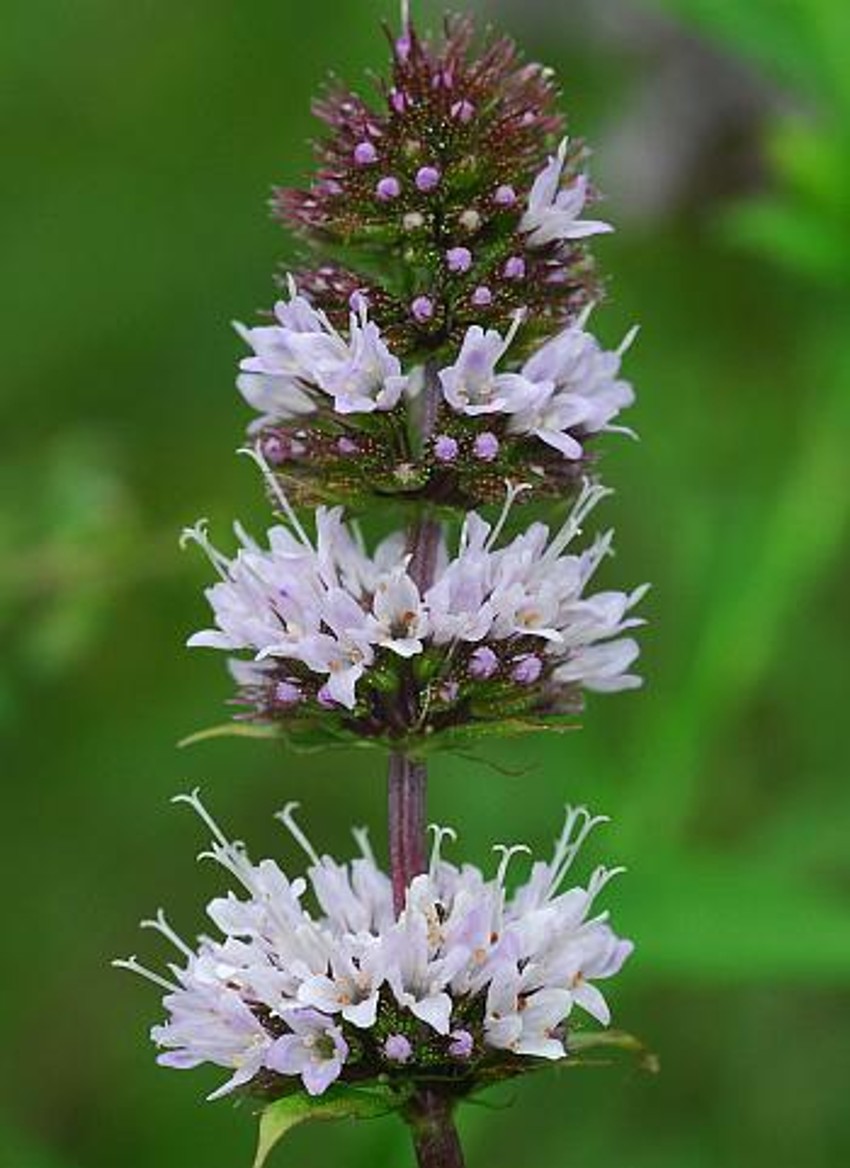
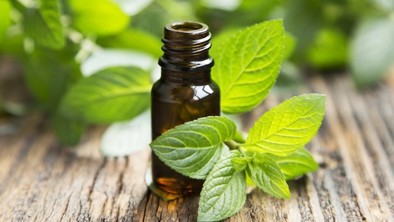
It is a sterile hybrid of the species Mentha spicata (spearmint) and Mentha aquatica (watermint). Its common English name is peppermint, and the species name piperita derives from its peppery taste.
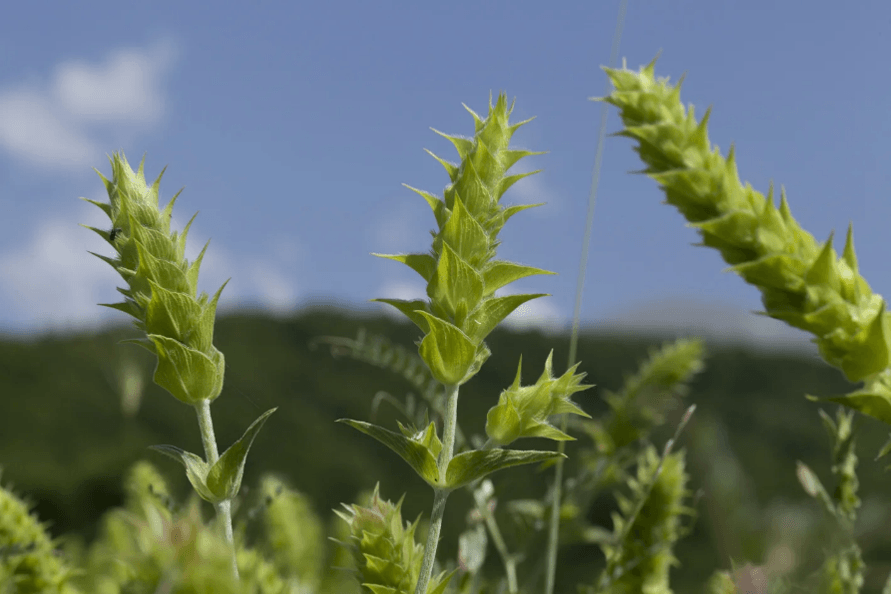
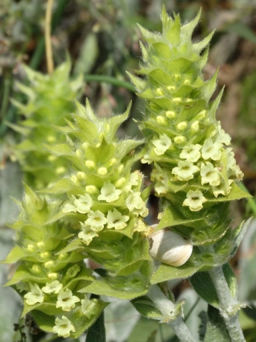
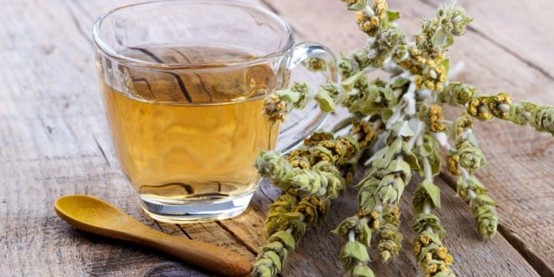
However, other interpretations associate the name with the plant’s iron content. The common Greek name “mountain tea” refers to its natural presence at high altitudes in the country.
In Greece it does not grow naturally, but it is cultivated in gardens and pots as an ornamental plant, while in other countries it is grown systematically. In ancient Greece, it was known as a remedy for stomach and intestinal disorders.
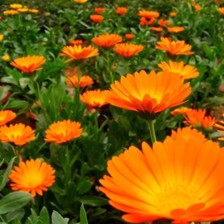
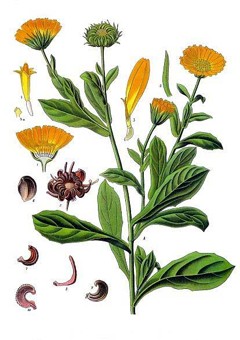
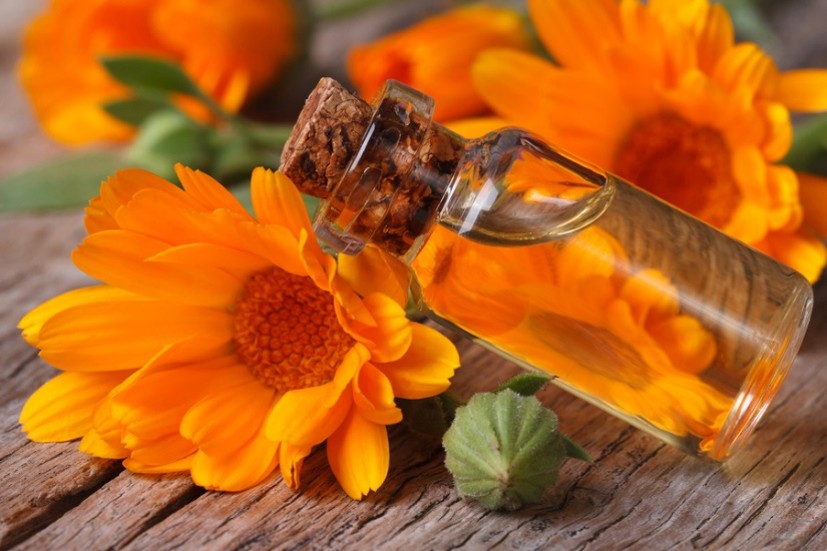
Its scientific name comes from the Latin word kalendae meaning “calendar,” referring to the plant’s ability to bloom at the beginning of most months of the year. It is widely known as pot marigold or simply marigold, considered to be “Mary’s Gold,” i.e., the flower with the color of the Virgin Mary’s Sun.
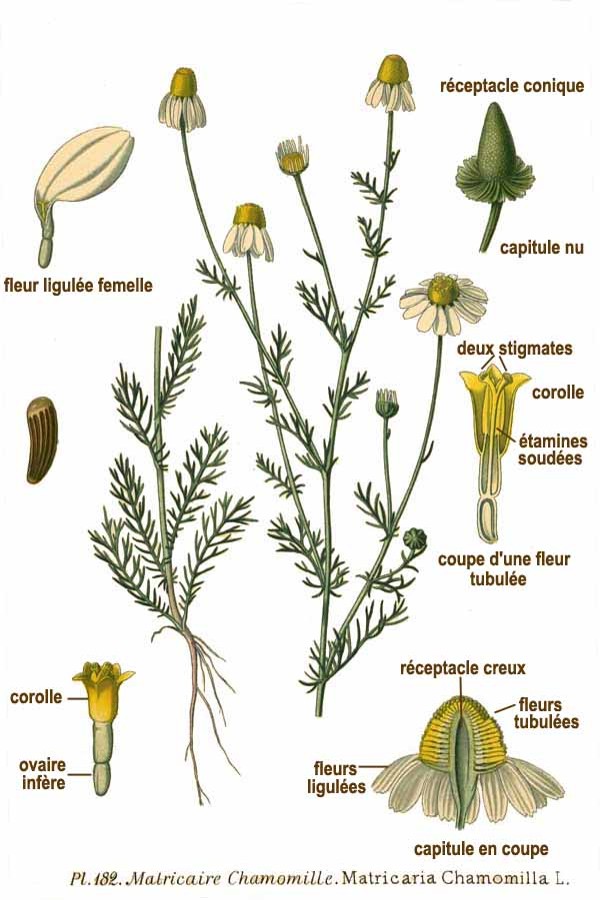
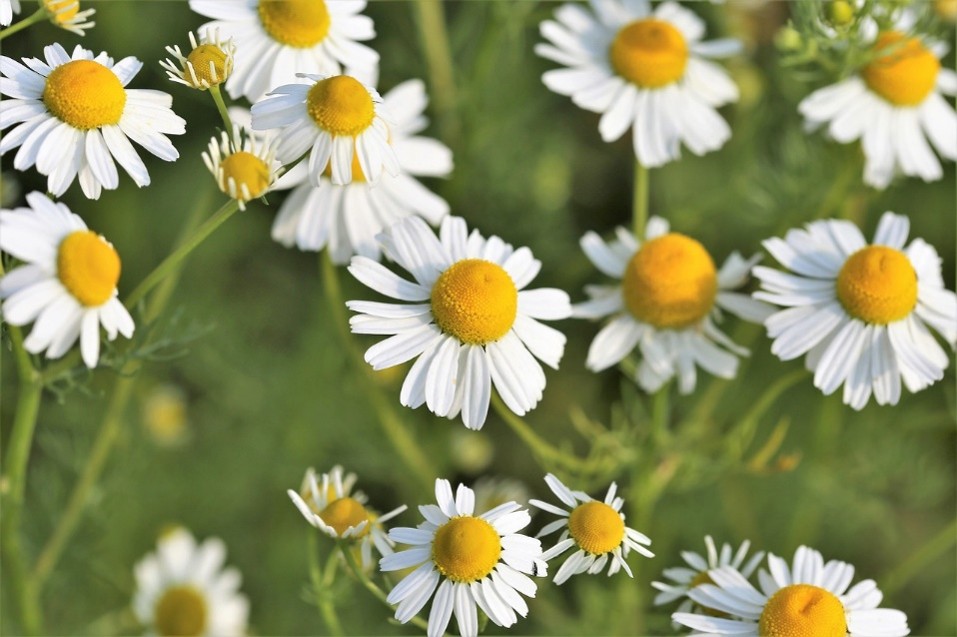
It is one of the most widespread and well-studied medicinal plants, known since antiquity for its therapeutic properties. The Latin name Matricaria chamomilla has an interesting etymological and historical origin, related to the plant’s properties and its use in traditional medicine.
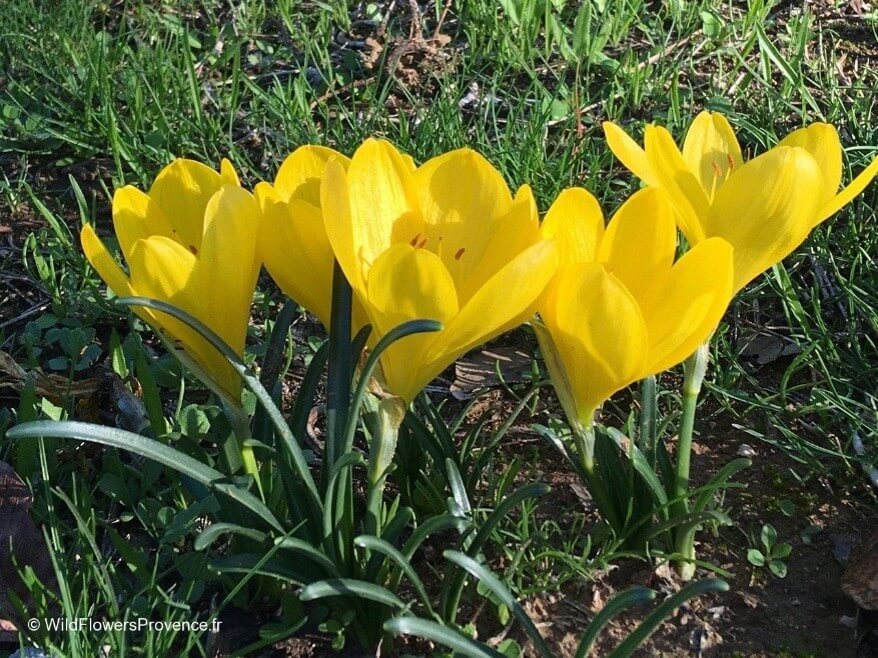
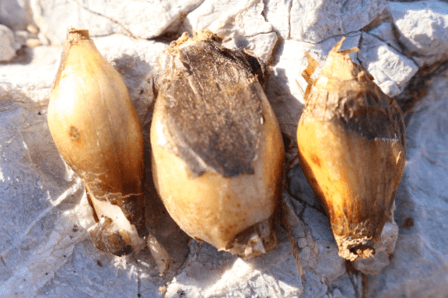
ex Spreng. belongs to the family Amaryllidaceae and is a perennial geophyte with autumn flowering.