
Mountain Tea
Sideritis scardica
The Latin name Sideritis derives from the word sideros, meaning “iron,” as in antiquity species of this genus were used to treat wounds caused by iron weapons. However, other interpretations associate the name with the plant’s iron content. The common Greek name “mountain tea” refers to its natural presence at high altitudes in the country.
Sideritis scardica, also known as mountain tea, is a native plant found in mountainous and subalpine regions of the Balkans, including Greece, North Macedonia and Bulgaria. In Greece, it grows on mountainous formations of the central and northern parts of the country, primarily in Rhodope, Vermio, Mount Olympus and Pindos. It thrives on rocky slopes, calcareous soil and open, sunlit exposure. As a cultivated plant, it is becoming increasingly common in mountainous fields and botanical gardens due to the rising demand for aromatic and medicinal herbs.
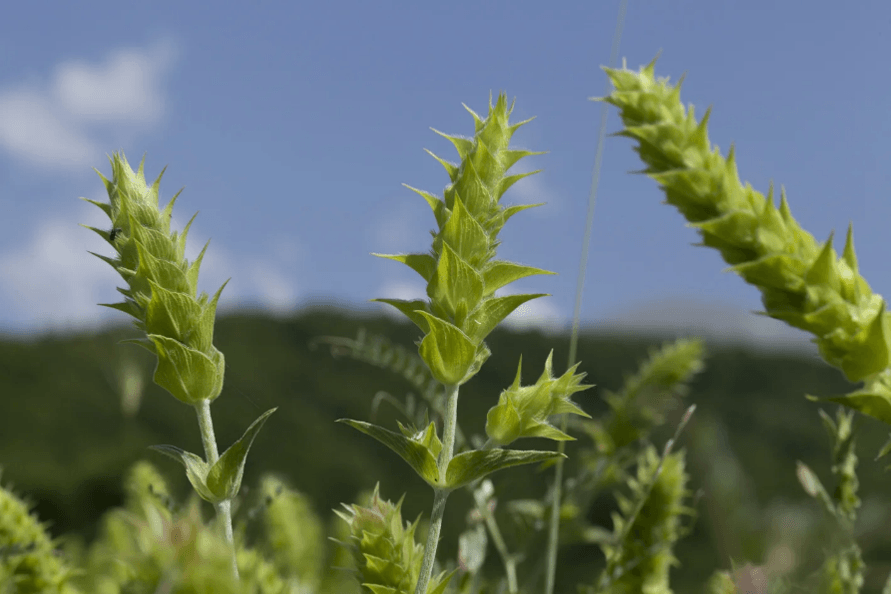
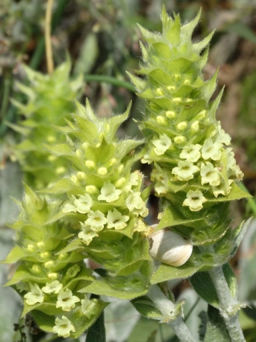
Mountain tea belongs to the family of Lamiaceae and the class of dicotyledons. It is a perennial, semi-shrubby plant with a characteristic upright growth habit and abundant foliage. Its height typically ranges from 30 to 60 centimeters, depending on altitude and cultivation conditions. The stems are covered with dense, silvery-white trichomes that help the plant reduce water loss and withstand low temperatures. Its leaves are lanceolate and covered with dense pubescence, giving them a grayish-green color. The inflorescences appear at the top of the stems during summer months and bear yellow flowers arranged in whorls, with a strong aroma.
Sideritis scardica shows high tolerance to cold and thrives in areas with cool summers and cold winters. It prefers well-drained, rocky or calcareous soils and sunny locations. Although it is a xerophyte, under cultivated conditions with periodic irrigation it shows more vigorous growth and greater flowering. It can withstand temperatures below zero, while prolonged frost may damage its aboveground parts without significantly affecting the root system.
The plant has a long lifespan, and its cultivation can remain productive for several years. Propagation can be achieved either by seed or by cuttings, with seeds requiring cold stratification for high germination rates. Commercially, propagation by cuttings or rhizomes is preferred, as it ensures uniformity of the final product. Mountain tea is generally resilient to insect and fungal infestations. However, in high humidity conditions, root rot or powdery mildew may appear in young plantations.
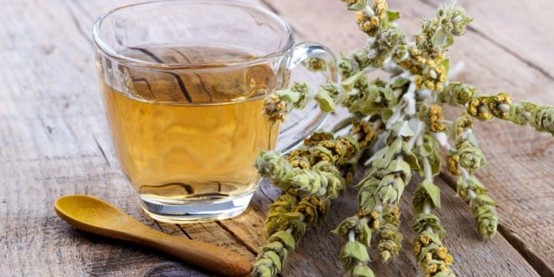
Processing of the plant material mainly concerns the production of fresh and dried herb. Harvest usually takes place once per year, during June–July, at the stage of full flowering, when the plant reaches its maximum content of essential oils and active compounds such as flavonoids, phenolic acids, and terpenes. Drying is carried out in shaded, well-ventilated areas to maintain the color and aroma. Fresh herb is used less frequently, mostly for extracts and fresh products.
Sideritis scardica is an aromatic, medicinal herb widely used for the preparation of infusions. It is considered tonic, anti-inflammatory, antioxidant, and mildly sedative. Traditionally, it is used to relieve colds, indigestion, and fatigue. Its essential oil is used in cosmetics, soap making, and natural therapeutic preparations. In addition, due to the striking appearance of its flowering stems, it can also be used as an ornamental plant in alpine gardens or rock gardens.